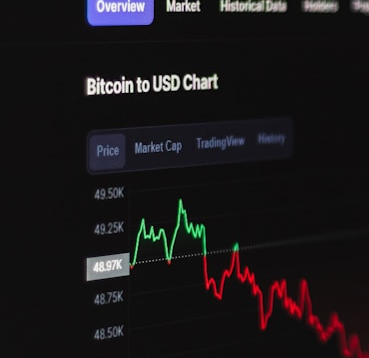

Cryptocurrency trading is the act of buying, selling, and exchanging digital currencies. Unlike traditional stock trading, cryptocurrency trading takes place on decentralized exchanges, which means that there is no central authority governing the transactions. This makes cryptocurrency trading highly volatile and unpredictable, as the market is driven by supply and demand, as well as market sentiment. It is important for traders to understand the basics of cryptocurrency trading, including how to buy and sell digital currencies, how to store them securely in a digital wallet, and how to navigate the various cryptocurrency exchanges available.
In addition to understanding the technical aspects of cryptocurrency trading, it is also important for traders to have a good grasp of the underlying technology and principles behind cryptocurrencies. This includes understanding blockchain technology, which is the foundation of most cryptocurrencies, as well as the concept of decentralization and how it impacts the value and stability of digital currencies. By having a solid understanding of the fundamentals of cryptocurrency trading, traders can make more informed decisions and navigate the market with greater confidence.
Choosing the Right Cryptocurrency Exchange
One of the most important decisions that a cryptocurrency trader will make is choosing the right exchange to trade on. There are hundreds of cryptocurrency exchanges available, each with its own unique features, fees, and security measures. When choosing an exchange, traders should consider factors such as the range of cryptocurrencies available for trading, the fees charged for transactions, the security measures in place to protect users’ funds, and the user interface and experience offered by the exchange. It is also important to consider the reputation and track record of the exchange, as well as any regulatory compliance measures that it may have in place.
In addition to these factors, traders should also consider the liquidity of the exchange, which refers to the ease with which a cryptocurrency can be bought or sold without causing a significant change in its price. A highly liquid exchange will have a large number of buyers and sellers, which can help to ensure that trades can be executed quickly and at a fair price. By carefully considering these factors and conducting thorough research, traders can choose an exchange that meets their needs and provides a safe and reliable platform for trading cryptocurrencies.
Developing a Trading Strategy
Developing a trading strategy is essential for success in cryptocurrency trading. A trading strategy is a set of rules and guidelines that a trader follows in order to make informed decisions about when to buy and sell cryptocurrencies. There are many different trading strategies that traders can use, ranging from short-term day trading to long-term investment strategies. When developing a trading strategy, it is important for traders to consider their risk tolerance, investment goals, and time horizon, as well as market conditions and trends.
One popular trading strategy is trend following, which involves identifying and following the direction of a trend in the market. This strategy involves buying when prices are rising and selling when prices are falling, in order to capitalize on the momentum of the market. Another common strategy is range trading, which involves buying at the bottom of a price range and selling at the top, in order to profit from price fluctuations within a specific range. By developing a clear and well-defined trading strategy, traders can make more informed decisions and reduce the impact of emotions on their trading activities.
Managing Risk in Cryptocurrency Trading
Managing risk is an essential aspect of successful cryptocurrency trading. The highly volatile nature of the cryptocurrency market means that prices can fluctuate dramatically in a short period of time, leading to significant gains or losses for traders. In order to manage risk effectively, traders should consider factors such as position sizing, stop-loss orders, and diversification. Position sizing involves determining the amount of capital to allocate to each trade, in order to limit potential losses and maximize potential gains. Stop-loss orders are used to automatically sell a cryptocurrency if its price falls below a certain level, in order to limit losses and protect capital.
Diversification is another important risk management strategy, which involves spreading capital across multiple different cryptocurrencies or asset classes in order to reduce exposure to any single investment. By diversifying their portfolio, traders can reduce the impact of any one investment on their overall returns and minimize the risk of significant losses. In addition to these strategies, it is also important for traders to stay informed about market conditions and trends, in order to make more informed decisions about when to enter or exit trades.
Technical Analysis for Cryptocurrency Trading
Technical analysis is a popular tool used by cryptocurrency traders to analyze price charts and identify potential trading opportunities. This involves studying historical price data and using various technical indicators and chart patterns to predict future price movements. Some common technical indicators used in cryptocurrency trading include moving averages, relative strength index (RSI), and Bollinger Bands. Moving averages are used to identify trends in the market, while RSI is used to measure the momentum of price movements, and Bollinger Bands are used to identify potential overbought or oversold conditions.
In addition to these indicators, traders also use chart patterns such as head and shoulders, triangles, and flags to identify potential trend reversals or continuation patterns. By using technical analysis, traders can gain insights into market sentiment and potential price movements, which can help them make more informed decisions about when to enter or exit trades. However, it is important for traders to use technical analysis in conjunction with other forms of analysis, such as fundamental analysis and market research, in order to make well-rounded trading decisions.
The Importance of Market Research
Market research is an essential aspect of successful cryptocurrency trading. This involves studying market trends, news events, and other factors that may impact the value of cryptocurrencies. By staying informed about market conditions and trends, traders can make more informed decisions about when to buy or sell cryptocurrencies. Market research also involves studying the fundamentals of individual cryptocurrencies, such as their technology, use cases, and adoption rates. By understanding these factors, traders can gain insights into the long-term potential of different cryptocurrencies and make more informed investment decisions.
In addition to studying market trends and fundamentals, it is also important for traders to stay informed about news events that may impact the value of cryptocurrencies. This includes regulatory developments, technological advancements, and macroeconomic trends that may impact the broader financial markets. By staying informed about these factors, traders can anticipate potential market movements and adjust their trading strategies accordingly. By conducting thorough market research, traders can gain a deeper understanding of the factors that drive cryptocurrency prices and make more informed decisions about when to enter or exit trades.
Staying Informed and Adapting to Market Trends
Staying informed about market trends and adapting to changing market conditions is essential for success in cryptocurrency trading. The cryptocurrency market is highly dynamic and constantly evolving, with new technologies, regulations, and market trends emerging on a regular basis. In order to stay ahead of these developments, traders should stay informed about news events, regulatory developments, and technological advancements that may impact the value of cryptocurrencies. By staying informed about these factors, traders can anticipate potential market movements and adjust their trading strategies accordingly.
In addition to staying informed about market trends, it is also important for traders to adapt their trading strategies in response to changing market conditions. This may involve adjusting position sizes, setting new stop-loss orders, or diversifying their portfolios in response to changing market dynamics. By adapting their strategies in response to changing market conditions, traders can reduce their exposure to risk and capitalize on new opportunities as they emerge. By staying informed about market trends and adapting their strategies accordingly, traders can navigate the dynamic cryptocurrency market with greater confidence and increase their chances of success.